


W3LL Phishing Network Dismantled by FBI–Polri, Exposing How Modern Phishing Became Harder to Detect
The Federal Bureau of Investigation (FBI) Atlanta Field Office and the Indonesian National Police (INP) have successfully concluded a multi-...
Oleh Cisometric Marketing Team, Diterbitkan pada Juni 18, 2025
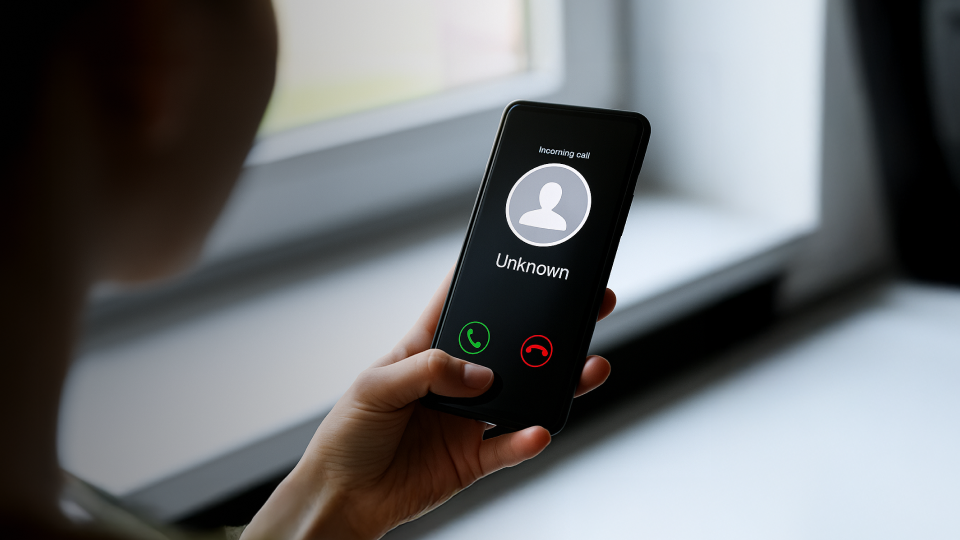
A recent report published by GoodStats revealed that Indonesia ranks second in Asia-Pacific for the highest volume of spam calls, just behind Hong Kong. On average, Indonesians receive 14 spam calls per person per month, and 86% of all unknown calls are identified as spam.
These numbers reflect a growing concern around voice-based scams and digital security, especially in regions with increasing mobile penetration but limited public awareness of cyber threats.
The data in GoodStats’ report is based on insights from the Hiya Global Call Threat Report Q1 2025, which recorded a shocking 12.5 billion suspected spam calls globally in just the first quarter of the year, which is equivalent to 137 million unwanted calls per day.

It’s easy to brush off spam calls as nothing more than an everyday nuisance, something to hang up on, block, and forget. But these calls often serve as an entry point to much more serious cyber threats.
At their core, spam calls can be regarded as the access to your data, your voice, your attention, and ultimately, your trust.
Here are some of the cyber risks that may come with spam calls:
Scammers often impersonate banks, insurance companies, delivery services, or government institutions. They create a sense of urgency or familiarity to trick you into revealing personal or financial information, like your bank account number or one-time passcode (OTP).
Also read: Think Before You Click! How to Spot Phishing Scams and Protect Your Data
Often, silent calls are used to verify that your number is active and monitored by a real human. Once verified, your number may be added to a database and sold to fraud networks for future attacks.
Also read: Silent Calls and AI Voice Cloning
With just a few seconds of recorded audio, scammers can use artificial intelligence to replicate your voice. This clone can then be used to impersonate you in calls to your family or even to financial institutions, creating realistic and emotionally manipulative scenarios.
Also read: Silent Calls and AI Voice Cloning
Information gathered during spam calls (whether through casual conversation or social engineering) can be enough to piece together a victim’s identity. From there, attackers can commit fraud, open unauthorized accounts, or gain access to sensitive services.
Remember, what starts as a missed call or vague inquiry from unknown numbers can quickly spiral into financial loss, data breaches, and even reputational damage, especially for businesses handling customer or employee information. In short, every ignored call or "wrong number" could be a test run for a more targeted attack.
Understanding the Types of Spam Calls
Spam calls today go far beyond annoying telemarketing. Many are designed with psychological pressure, technological manipulation, and even AI-based deception.
Below are the most common types of spam calls faced by individuals and businesses today (RoboKiller, 2025) (Tempo, 2021) (Hiya Report, Q1 2025) (Kompas, 2024):
Automated calls with pre-recorded messages, often trying to sell products or services. While some legal robocalls exist (e.g., appointment reminders), most unsolicited robocalls (especially those that ask for personal info) are illegal and can be part of a scam network.
Fraudsters impersonate legitimate institutions like banks, logistics companies, or even government bodies to trick recipients into revealing sensitive data or making urgent payments.
You pick up a call, but no one speaks. These are often used to verify that your number is active. Once confirmed, your number may be sold to scammers or added to automated dialing lists.
With just a few seconds of your voice (gathered through casual conversation or even from a silent call) AI tools can generate realistic clones used in impersonation scams. These voice clones, when used, can target family members or be used to trick voice authentication systems.
Scammers alter their phone number display to look like a local or familiar number, increasing the chance that you'll answer. This technique is particularly dangerous because it bypasses initial skepticism.
Scammers offer pre-approved loans, debt relief, or financial aid, requiring “verification” through personal data or small upfront fees. They often target financially vulnerable individuals.
Posing as tech support from well-known companies, scammers claim your device is infected or compromised and persuade you to grant remote access or install malicious software.
Fraudulent calls ask for donations to fake causes or offer discounted travel packages that require urgent bookings. These scams play on emotions or limited-time offers to push victims into fast decisions.
Often targeting businesses, scammers pose as Google reps threatening to remove your business listing unless you verify information or pay a service fee.
Not every suspicious call is a scam, but most scams today still begin with a simple phone call. While some are easy to spot, others are designed to appear legitimate. Scammers count on our assumptions, distractions, or sense of urgency to make their attacks successful. That’s why knowing how to recognize a potential spam call is only half the battle, the other half is knowing what to do when it happens.
Below are common red flags to watch for:
If you’ve experienced any of the above, your number may have already been flagged by scam networks as an active or vulnerable target.
1. Let unknown numbers go to voicemail
Scammers rarely leave messages. True callers will. Screening calls is one of the easiest first lines of your defense.
2. Hang up immediately if you hear silence
Don’t say “Hello?” multiple times. Silent calls are often used to confirm your voice or even to clone it. The longer you stay on the line, the more useful the data becomes for scammers.
3. Don’t say “Yes,” your name, or any personal information
Some scams aim to capture voice recordings for impersonation or authentication systems. AI tools can now clone voices from just a few seconds of audio.
4. Use built-in call filtering tools or third-party apps
Android and iOS devices both offer the ability to block unknown callers or silence spam. You can also install apps like Truecaller which identify and block known spam numbers based on real-time reports.
5. Set a “safe word” with family or close contacts
In case someone receives a call that sounds like you, you can use a pre-agreed safe word to verify your identity, especially if voice cloning is suspected.
6. More than just blocking, report the spam
Reporting helps telcos and cybersecurity agencies to trace and limit the spread of fraudulent numbers. In Indonesia, you can report spam to OJK, LPKNI, or your mobile provider’s customer service.
Indonesia’s spike in spam calls is not just a telecom issue, it’s a national cybersecurity concern. The combination of data leaks, low public digital awareness, and accessible scam technologies makes the region a prime target for cybercriminals.
And as attacks become more sophisticated, so should our response.
The next time your phone rings from an unknown number, pause before picking it up as it could be the start of a scam designed to compromise your identity, finances, or even your business.
At Cisometric, we believe in helping individuals and organizations to build stronger digital defenses. Our cybersecurity services, including threat monitoring, phishing detection, and AI-driven risk prevention, are all designed to tackle the threats of today and tomorrow.
Concerned about spam-related attacks targeting your business or organization?
Schedule a consultation with our team and learn how our cybersecurity solutions can help you stay one step ahead.
Follow our social media for more updates:
LinkedIn: Cisometric
Instagram: @cisometric
Reference:
Indonesia Jadi Negara dengan Serangan Spam Call Tertinggi Ke-2 di Asia Pasifik
Indonesia Record Significant Increase in Spam Calls
The Federal Bureau of Investigation (FBI) Atlanta Field Office and the Indonesian National Police (INP) have successfully concluded a multi-...

Scattered Spider is a cybercrime collective known for turning social engineering into a precision, identity-first attack method. Instead of...

Despite significant progress in digital defenses, organizations remain vulnerable to one critical factor that technology cannot fully secure...
Cari Artikel Berdasarkan Kategori
Kami menggunakan cookie untuk meningkatkan pengalaman menjelajah, menganalisis lalu lintas situs, dan menyajikan konten yang relevan. Pilih cookie mana yang Anda izinkan. Kebijakan Privasi