By Patricia A. Pramono • Studio 1080, Published on April 09, 2025
TABLE OF CONTENTS
From announcing new jobs to sharing brunches and live-posting our travels, social media has become an extension of how we live, celebrate, and even vent. It’s where we connect with friends, show our personalities, and find comfort in being seen. In many ways, it’s our digital diary, just a lot more public.
But in the middle of all that sharing, reacting, and double-tapping, there’s something we often forget: once you hit "post," that moment no longer belongs just to you. It becomes data: traceable, screenshot-able, searchable. Even if you delete it, chances are, someone saw it. Maybe even saved it.
And that’s when things get tricky.
Because while you may be thinking you’re just sharing life updates with friends or followers, in the background, that same information could be quietly collected, misused, or even weaponized by people with not-so-great intentions.
How many times have we shared something without thinking twice? A location tag here, a post there. It’s innocent... until it’s not. Oversharing online can put your personal safety and data at serious risk.
What Counts as Oversharing Online?

Oversharing online isn’t just about writing long, emotional captions or constantly updating your feed. It’s more about giving away details that could be used against you.
Some examples:
- Sharing your full birth date or home address
- Posting your exact location (especially in real-time)
- Talking about future travel plans before the trip is over
- Linking your personal accounts to dating apps
- Frequently tagging your workplace or kids’ school
- Posting your pet’s details (yes, even that matters because it could be your password)
Even what seems harmless can be collected and pieced together through what's called the “Mosaic Effect” and this is when small bits of information gathered are compiled to form a complete picture of your identity. Into one that cybercriminals can use for phishing, scams, or worse (University of Kentucky ITS / UK ITS, 2023).
The Risks of Oversharing Online
So what’s the worst that could happen? Turns out, quite a lot. Here are some major risks (First Bank & Trust Company, 2024) (Keeper Security, 2022):
- Identity Theft
Birthdate, phone number, email are some of the innocent profile details that can be enough for someone to apply for a credit card in your name. - Targeted Phishing Attacks
Cybercriminals often use the info you post to make scam messages feel real. That scam email that looks like it’s from your bank? It’s probably crafted based on what you’ve shared online. - Physical Break-Ins
Posting that you’re “off to Bali for 10 days” could unintentionally notify burglars that your home would be unoccupied for a while. - Account Takeovers
Overshared details like parents’ names, pet names, or favorite sports teams are common password choices and they're also often used in security questions to confirm your identity. Easy guess = easy hack. - Cyberstalking & Harassment
Location tags, check-ins, and constant updates make it easier for stalkers to monitor your movements and routines. - Compromising Your Work
Posting work-related content or ranting about office issues? You might be unintentionally leaking sensitive info or damaging your professional image.
Even temporary posts like Instagram Stories can be screenshotted or stored on company servers.
What Can You Do to Stay Safe?
You don’t have to quit social media to protect yourself, but a few small changes can make a big difference:
- Check Your Privacy Settings
Make sure your posts are only visible to people you trust. Review what your public profile shows. Limit who can tag you or see your location. - Pause Before Posting
Ask yourself: would I tell a stranger this info? If not, maybe it doesn’t belong online or at least, not publicly. You can opt for “close friends” only for more private info. - Avoid Real-Time Location Sharing
Post your trip photos after you return. Sharing while away can be risky. - Audit Your Followers List
Only accept requests from people you actually know. Some accounts may just be info-collecting bots or bad actors. - Use Strong Passwords + 2FA
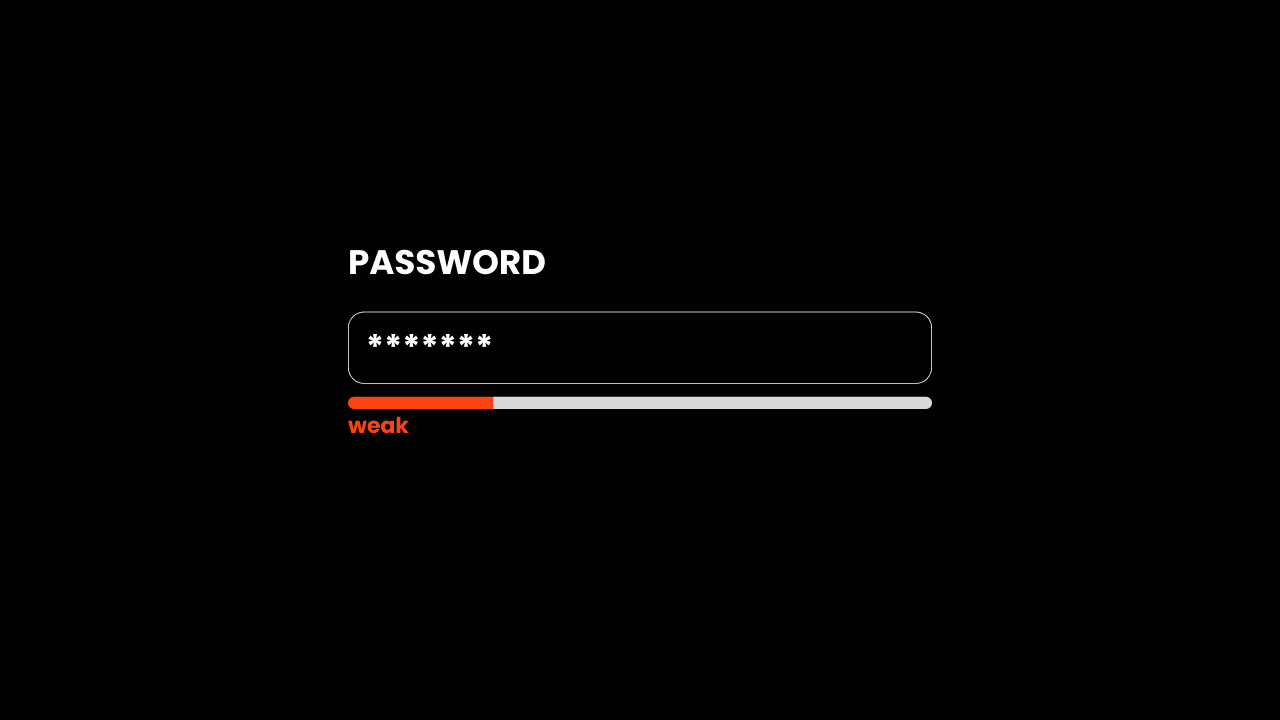
Don’t make your dog’s name + birth year your password (you know who you are). And always enable two-factor authentication. - Separate What’s Public & What’s Private
Not every thought or photo needs to be posted. Some things are better kept in the group chat—or your camera roll.
Also read: 5 Simple Steps to Enhance Your Online Privacy
Share Smarter
You don’t have to disappear from social media, but you do need to rethink how much you’re sharing, and with whom.
In this age of digital footprints and AI-powered scams, your data is a valuable currency. And oversharing? It's like handing it out for free.
So next time you're about to post your next feed posts or stories, maybe ask yourself:
"Will this be a risk?” and “Is this worth the risk?"
For more insights on online safety, cybersecurity tips, and scam awareness, follow Cisometric on social media and stay updated on the latest threats. Together, we can build a safer digital environment.
Follow us on:
LinkedIn: Cisometric
Instagram: @cisometric
Youtube: Cisometric
Reference:
How Oversharing on Social Media Affects Your Privacy
The Risks of Oversharing: What You Need to Know About Social Media Privacy.
How Oversharing on Social Media Could Put Your Personal Information at Risk